
What Is Smart Technology

Smart technology encompasses a range of advanced devices and systems aimed at improving efficiency and convenience in daily life. These innovations often integrate seamlessly into connected environments, utilizing sensors and data analytics. As users gain real-time insights and increased control, their routines evolve significantly. However, the impact of smart technology extends beyond mere convenience. It raises questions about sustainability and personal well-being, prompting a closer examination of its role in shaping the future.
What Is Smart Technology?
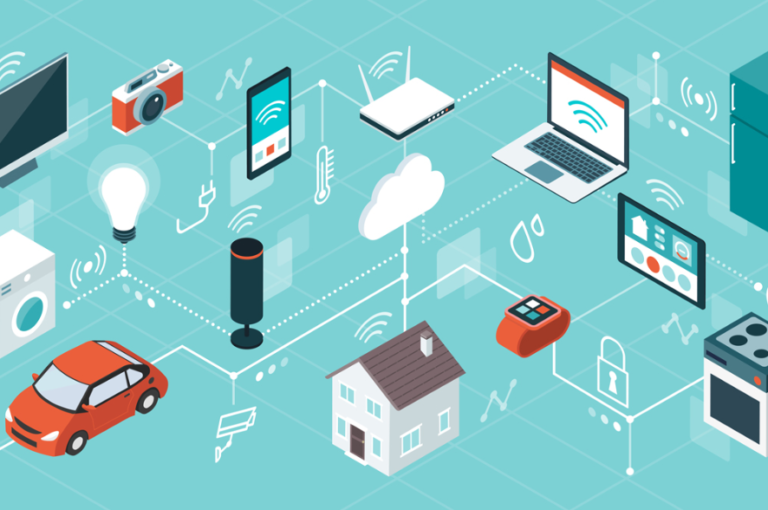
Smart technology encompasses a range of devices and systems designed to enhance efficiency and convenience through automation and connectivity.
This innovation primarily manifests in smart devices, which communicate seamlessly within connected homes.
By integrating various functionalities, these technologies empower individuals to optimize their environments, offering greater control and flexibility.
Ultimately, smart technology represents a significant shift towards a more liberated and efficient way of living.
See also: What Is Green Technology
Real-World Applications of Smart Technology
How can the integration of smart technology transform everyday life?
Smart homes enable intuitive control over lighting, security, and climate, enhancing convenience and energy efficiency.
Meanwhile, wearable devices monitor health and fitness, empowering individuals to make informed lifestyle choices.
Together, these innovations foster a sense of autonomy, allowing users to tailor their environments and well-being, ultimately reshaping daily routines and enhancing quality of life.
Key Components of Smart Technology Systems
While various technologies contribute to the functionality of smart systems, several key components are essential for their effective operation.
Sensors integration enables real-time data collection from diverse environments, enhancing responsiveness. Complementing this, data analytics processes the gathered information, deriving valuable insights that drive intelligent decision-making.
Together, these elements form the backbone of smart technology systems, empowering users with enhanced control and autonomy.
Future Trends in Smart Technology?
The evolution of key components in smart technology systems sets the stage for exciting future trends that promise to reshape various industries.
As artificial intelligence integrates more deeply with the Internet of Things, innovations will enhance automation, data analysis, and user interaction.
These advancements will foster greater efficiency, personalization, and connectivity, ultimately granting individuals unprecedented freedom in managing their environments and experiences.
Conclusion
In conclusion, smart technology weaves a tapestry of innovation, seamlessly integrating into the fabric of daily life. As it continues to evolve, embracing the rhythm of data and connectivity, it promises to illuminate paths toward greater efficiency and sustainability. The future, painted with the brush of artificial intelligence and automation, beckons individuals to explore a landscape where convenience dances with personalization, ultimately crafting a harmonious symphony of modern living that empowers and enriches the human experience.